The first question that comes to mind for anyone who owns a plot of land or is thinking of building on it: how much does it cost to build a house? The honest answer is that there is no single number that suits everyone, but there is one correct calculation method that everyone starts from: total built-up area × price per meter, according to the construction scope you want, then distributing the result across the construction items and adding a contingency reserve. In this guide we explain the method step by step and work a full numeric example for 500 m² of built-up area, structure and finishing — the same example the Adawati Construction Cost Calculator computes with the same constants and percentages.
You need only two numbers before you start: your built-up area from your plan or permit, and the prevailing per-meter price in your city for the scope you want. Everything else — item distribution, contingency and comparisons — is built on these two.
The first mistake: calculating from the land area instead of the built-up area
Built-up area is the sum of the areas of all floors and annexes that will actually be built, as shown in the building permit: the area of one floor × the number of floors + the annex areas. It is completely different from the land area: a 500 m² plot may carry a single floor with a built-up area of 250 m², two floors of 500 m², or two floors and an annex of 600 m², and the cost follows the built-up area, not the land. Whoever calculates "my land is 500 meters, so the cost is 500 × the per-meter price" may double their budget or halve it without realizing.
If you do not know your built-up area yet, start from the preliminary plan: multiply the floor area by the number of floors and add the annexes. In the calculator you can enter the total built-up area directly if you know it, or let it add it up for you from the floor area, the number of floors and the annex area.
The per-meter price method: the equation and its steps
The per-meter price method is the fastest initial estimation method and the most widely used in the contracting market, and it runs in three steps:
- Cost before contingency = total built-up area × the per-meter price for the chosen scope.
- Distributing the cost across the construction items by indicative percentages, so you know where the money goes and when you need it.
- Final total = cost before contingency + the contingency percentage.
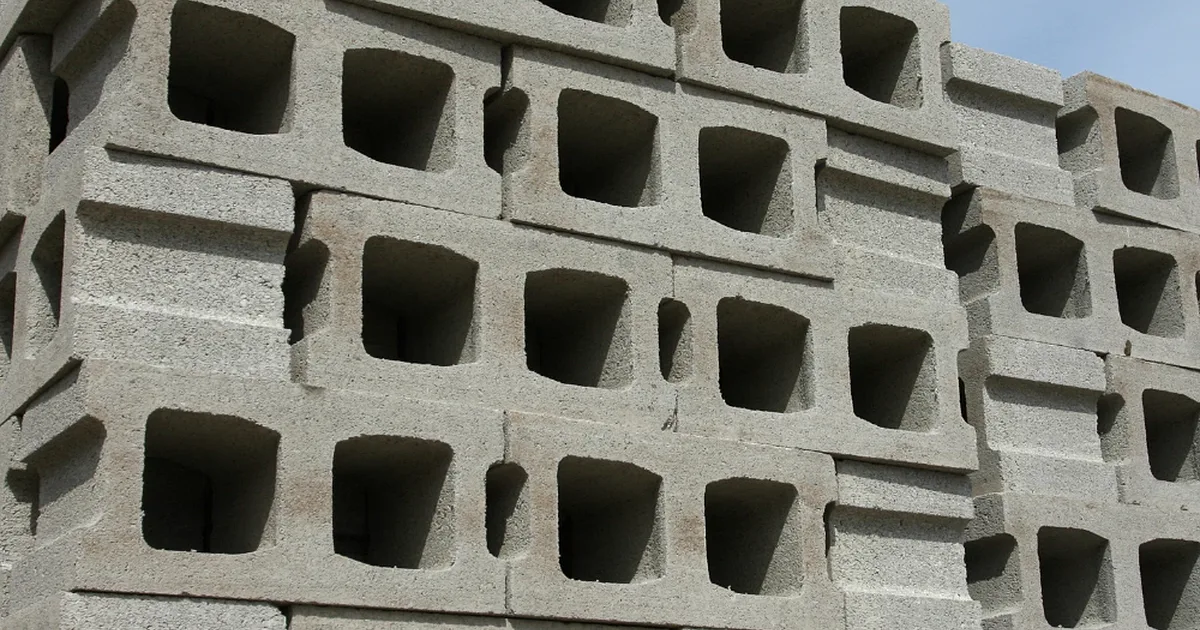
There are two main construction scopes. The structure (shell) is the structure and masonry only: excavation, foundations, concrete work, blocks and basic waterproofing, and its default price in the calculator is SAR 600 per meter. Full finishing, on the other hand, includes the structure plus all finishing works until handover, and its default prices are graded by level: economy SAR 1,350, medium SAR 1,750, and luxury SAR 2,400 per meter. Note that the full-finishing per-meter price approaches three times the structure price at the medium level; finishing is not a "small remainder" but roughly two-thirds of the project.
A full numeric example: 500 m² of built-up area
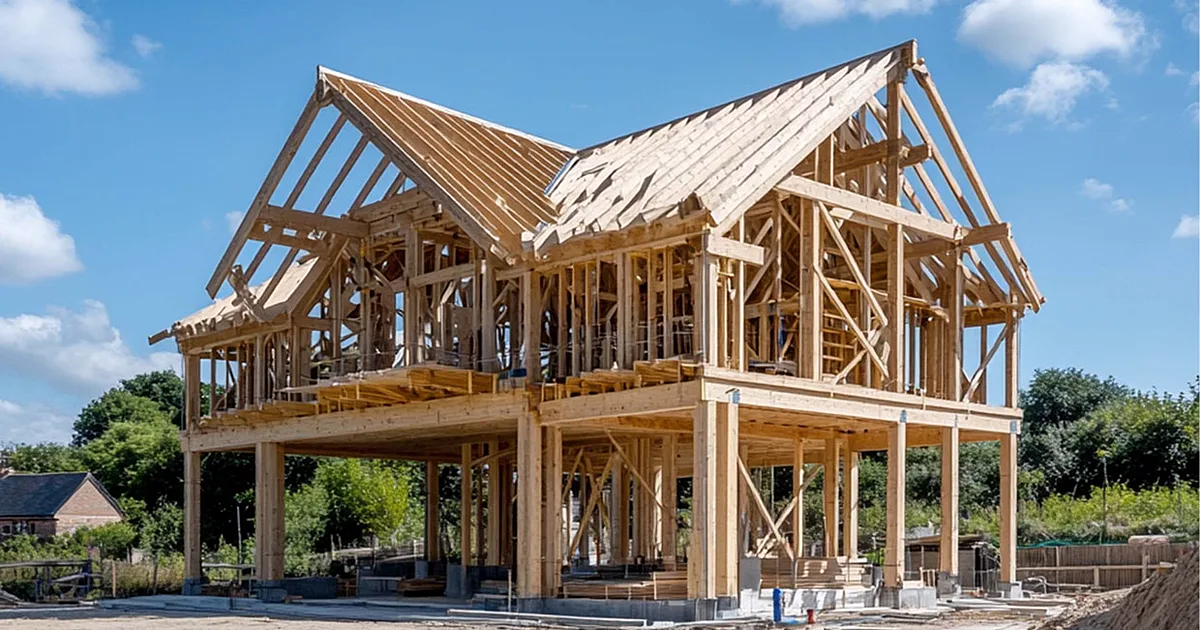
Let us assume a two-story house, with each floor 250 m², so the total built-up area is 500 m².
First: the structure scope at SAR 600 per meter
Cost before contingency = 500 × 600 = SAR 300,000. It is distributed across the items as follows, according to the calculator's percentages:
| Item | Percentage | Amount (SAR) |
|---|---|---|
| Excavation, backfilling and foundations | 18% | 54,000 |
| Concrete structure (footings, columns and slabs) | 52% | 156,000 |
| Block masonry | 18% | 54,000 |
| Waterproofing of roofs and tanks | 6% | 18,000 |
| External works | 6% | 18,000 |
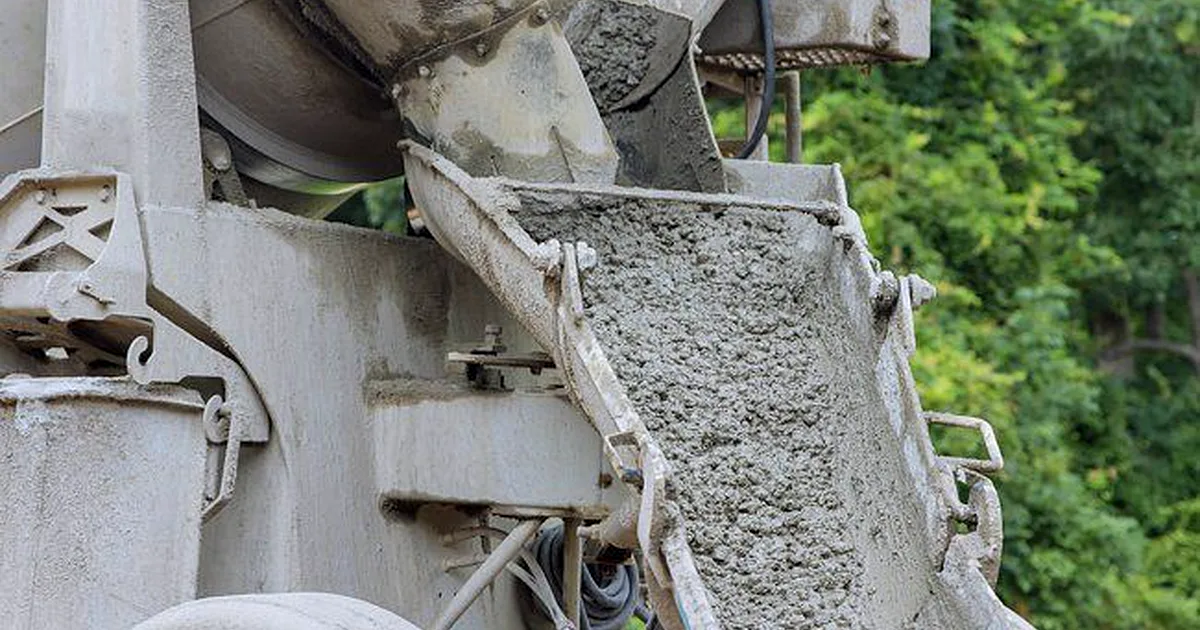
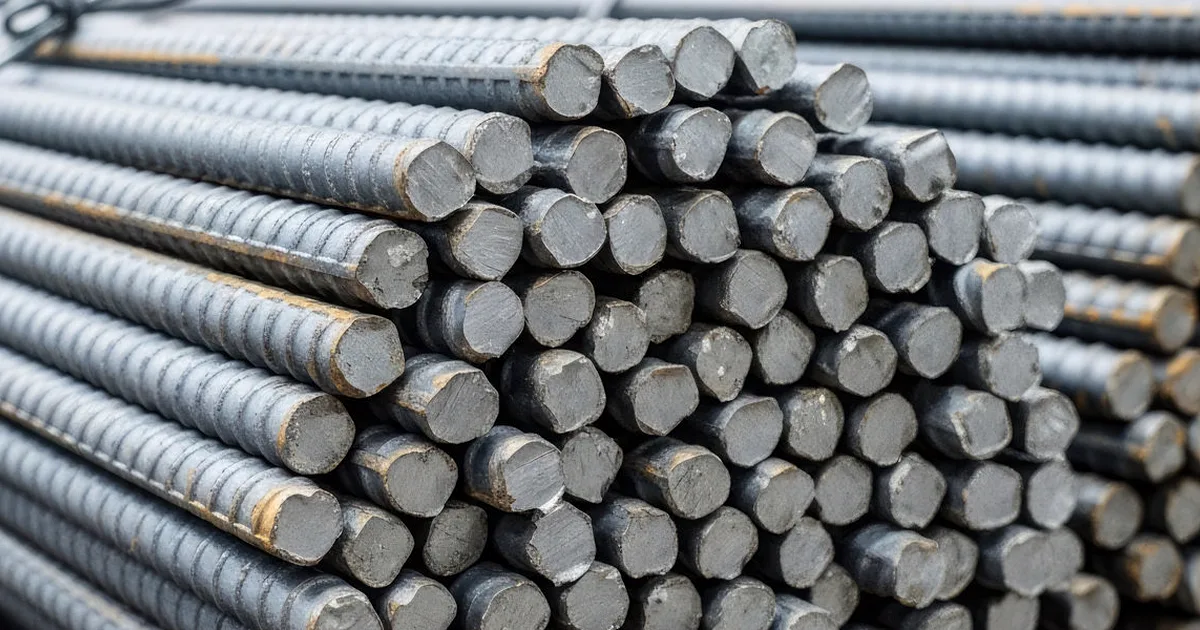
Then a 5% contingency is added: 300,000 × 5% = SAR 15,000, making the estimated structure total SAR 315,000. Note that the concrete structure alone swallows 52% of the structure cost; it is the heart of the project in time and money, and any error in its quantities — calculated by the Concrete Calculator and the Rebar Calculator — moves a large figure.
Second: full finishing at the medium level and a price of SAR 1,750 per meter
Cost before contingency = 500 × 1,750 = SAR 875,000, distributed as follows:
| Item | Percentage | Amount (SAR) |
|---|---|---|
| Structural frame | 38% | 332,500 |
| Flooring and ceramics | 12% | 105,000 |
| Doors, windows and aluminum | 10% | 87,500 |
| Electrical | 7% | 61,250 |
| Plumbing and drainage | 7% | 61,250 |
| Other works | 7% | 61,250 |
| Plaster | 6% | 52,500 |
| Paints | 6% | 52,500 |
| Gypsum and decoration | 4% | 35,000 |
| Waterproofing | 3% | 26,250 |
Adding a 5% contingency (SAR 43,750) makes the estimated total SAR 918,750. Compare the two figures: moving from the structure to full handover added more than SAR 600,000; that is why many people are surprised when they discover that the "structure construction" they were happy to have finished was only a third of the financial journey.
The contingency reserve: the percentage that protects your budget
The contingency is not an accounting luxury but an acknowledgment that the first estimate does not see everything: rock or groundwater appearing during excavation, a rise in steel or cement prices during construction, a change you request to the plan after work has started, and small works that were not counted in any item. The common percentage is between 5% and 10%, and you may raise it to 15% or 20% if your land is untested or your design is complex. The practical rule: the less confirmed information you have about the land, the plan and the prices, the higher the percentage you should hold in reserve.
What does this estimate not include?
The per-meter price in this method covers construction works within the building's boundaries only. It does not include: the land price, building permit and government fees, the engineering office's fees and drawings, external utility connections such as electricity and water meters if they are separate, or furniture and appliances. Add these items to your result when building your total budget. And when comparing a contractor's quote with your result, match the inclusion and exclusion lists first; one quote may include the fence and the tank while another does not, so an apparent price gap is in truth a difference in scope.
Important note: this is an initial planning estimate with a margin of difference that can reach 10% or 20% in either direction. It does not test your soil or read your structural plan, and it does not replace a bill of quantities prepared by an engineer or engineering office, nor detailed written quotations from licensed contractors for a defined scope of work. The contractually binding figure comes only from those documents.
Common mistakes when estimating construction cost
- Calculating from the land area: the mistake we started with; always correct it to the actual built-up area.
- A per-meter price from another city: contractors' prices differ noticeably between cities and neighborhoods; update the per-meter price with at least two real quotes from your area.
- Forgetting the contingency entirely: a budget without a contingency means the first surprise in excavation will be financed from later items or from your pocket, unplanned.
- Comparing quotes with different scopes: compare the scope before the number; the cheapest quote may be the most expensive after adding what it excluded.
- Treating today's estimate as a fixed price for construction a year later: the prices of steel, cement and many finishing materials move with the market; update your estimate at every decision stage.
- Neglecting the cost of time: delayed construction means additional rent if you are renting, and longer exposure to price volatility.
How do you compare contractors' quotes fairly?
When three quotes reach you with different prices for the same building, the difference is rarely "greed" or "generosity"; it is usually a difference in what each quote includes. Compare item by item, not total by total: does the price include excavation and foundation backfilling, or does it start from the footings? Are the underground tank and the sewage tank inside the price or a separate item? Are the fence and annexes calculated at all? And does his "full finishing" include doors, windows and sanitary ware with the same specifications you have in mind? Ask each contractor for a bill of quantities or at least a written list of items, and place it side by side with the stage percentages in this guide; an item missing from a cheap quote will appear later as an "additional work" at a higher price than it would have cost had it been inside the contract from the start. The cheapest quote overall, with many missing items, is in truth the most expensive — deferred.
Conclusion
How much does it cost to build a house? Start from the built-up area, not the land area, and multiply it by your city's per-meter price for the scope you want — structure, or full finishing at its level — then distribute the result across the items to see where it goes, and add a contingency reserve of no less than 5%. Try your numbers now in the Construction Cost Calculator and change the per-meter price and the level to see your budget's sensitivity to every decision, then move from the total estimate to the quantities of the major items: concrete, rebar and blocks, before requesting a formal bill of quantities and written quotes.